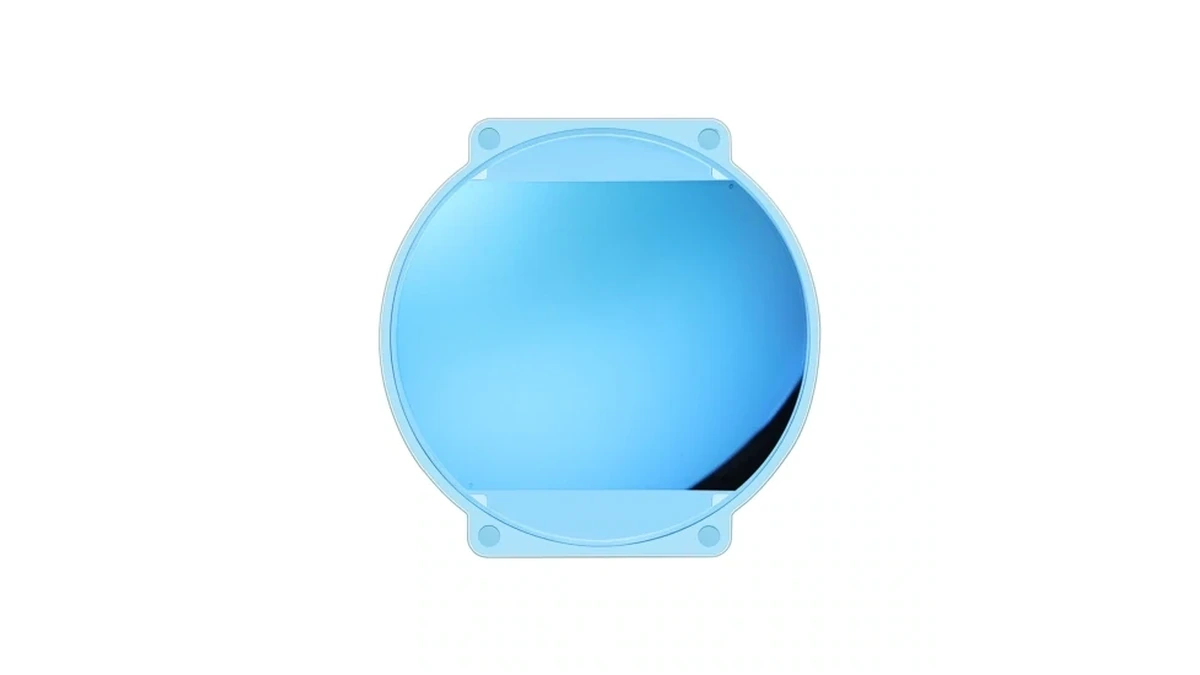
Polarized lenses: how glare control works and how to check it.
Polarized lenses are built to reduce the harsh glare that bounces off flat, reflective surfaces such as water, wet roads and snow. Instead of simply darkening the view, they filter light that arrives at a specific angle, which keeps outdoor scenes clearer and more comfortable to read.
What polarization changes
Reflected glare from a road, lake or snowfield is largely aligned in one direction. A polarizing filter arranged at the right angle blocks much of that glare while allowing other light through. The result is less dazzling reflection and better contrast, without the lens needing to be extremely dark.
Where it makes the biggest difference
Driving, fishing, water sports and bright coastal use are the classic cases. Glare from water and roads is exactly the kind of light polarization is designed to control, so wearers often notice clearer color and less eye strain in those conditions.
How to test a polarized lens
The quickest check uses an LCD screen. Look at a phone or computer display through the lens and slowly rotate the glasses to about 45 or 90 degrees. A polarized lens will make the screen darken or turn black at one angle, while a normal tinted lens stays unchanged. You can also overlap two polarized lenses and rotate one of them; when the two filters are crossed, almost no light passes through.
Confirm the specification before ordering
Polarization is not the same as UV protection or a dark tint. Polarization efficiency, axis, visible-light transmission, color and coatings are confirmed on the finished lens for each project, together with the intended frame and market.