LEATHER-WRAPPED EYEWEAR
Texture and material wrapped around the frame.
Leather wrapping adds a tactile surface to an acetate or metal frame. Different leather textures or selected covering materials can be reviewed on the front, temples or both, with a partial or full-temple application chosen around the design.
PROJECT INPUTS
Define the material, placement and coverage before sampling.
- Acetate or metal frame base
- Leather textures and other covering materials reviewed
- Front, rim or temple applications
- Partial or full-temple coverage
- Seam, edge and hinge movement review
Choose the base frame
Leather wrapping can be reviewed on acetate frames or metal frames. Send the frame drawing, reference sample or frame photos so the surface, edges, hinges and assembly areas can be assessed together.
Select the covering material
Different leather textures, grains, colors and other selected covering materials can be compared for the intended appearance and hand feel. The exact material, thickness, backing and finish are confirmed for each project.
Mark the coverage
The front, brow or selected rim areas may be covered, and the temple can be wrapped only on part of its length or across the full temple. A marked image helps communicate where the material should start, stop and meet the hardware.
Review the wrapped sample
Sampling checks alignment, seams, edge transitions, opening and closing movement, comfort areas and surface finish. The approved construction then becomes the reference for branding, inspection and packing discussions.
Place leather wrapping in the wider project
Start with the closest custom acetate or metal frame direction and include the base material in your brief.
For leather set into a machined groove on the metal rim face, review the metal-frame leather inlay process instead.
For collection development and branding, organize the details through the OEM and private label process.
Confirm the finished sample against the agreed quality-control and packing scope.
FROM CONSTRUCTION TO FINISH
See the layered effect
at different stages.
Use these examples to mark the colors, placement and visual direction you want us to review.
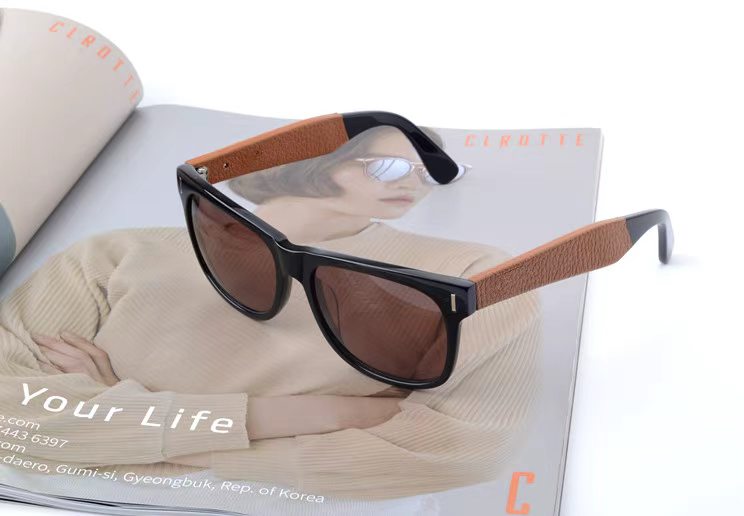
Use a contrasting leather texture on the temple while keeping the acetate front visible.
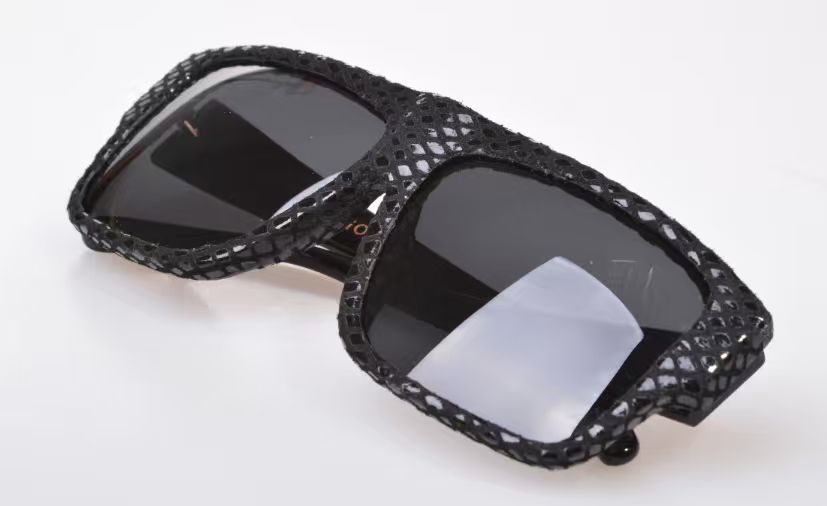
Compare an all-over textured covering with the lens openings and frame edge.
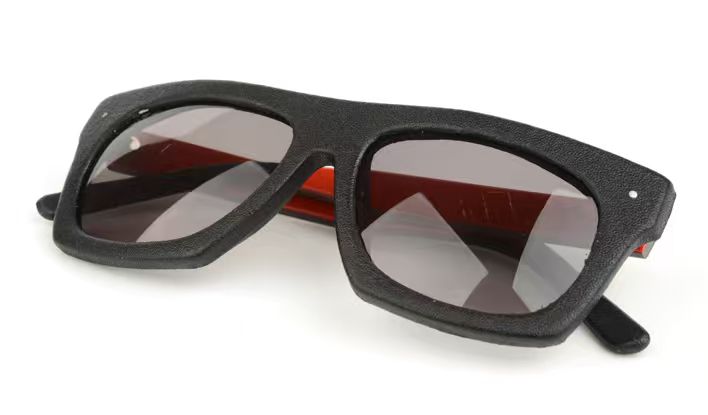
Review a more uniform surface texture across the front and temple construction.
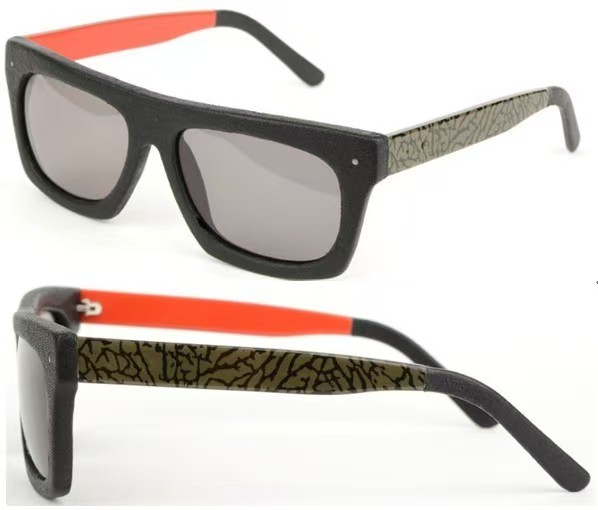
Mark where a partial temple application should start and transition back to the base frame.
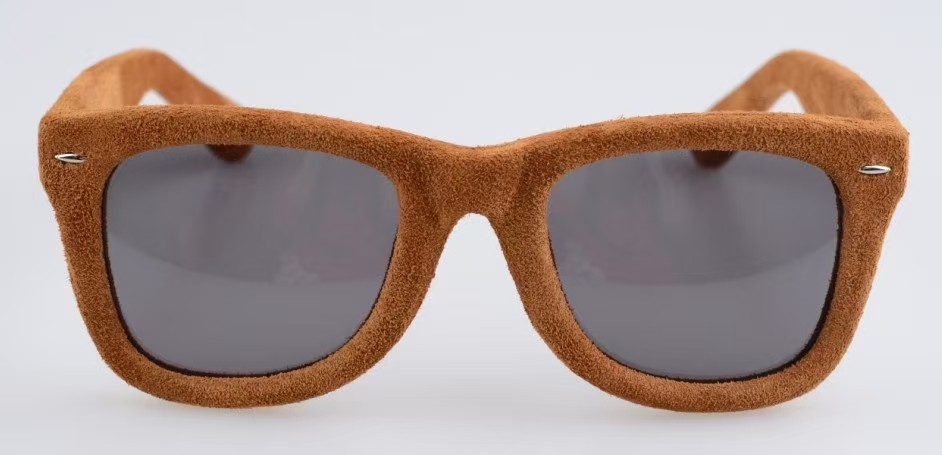
Use a soft, continuous material direction when the front and temples are intended to read as one surface.
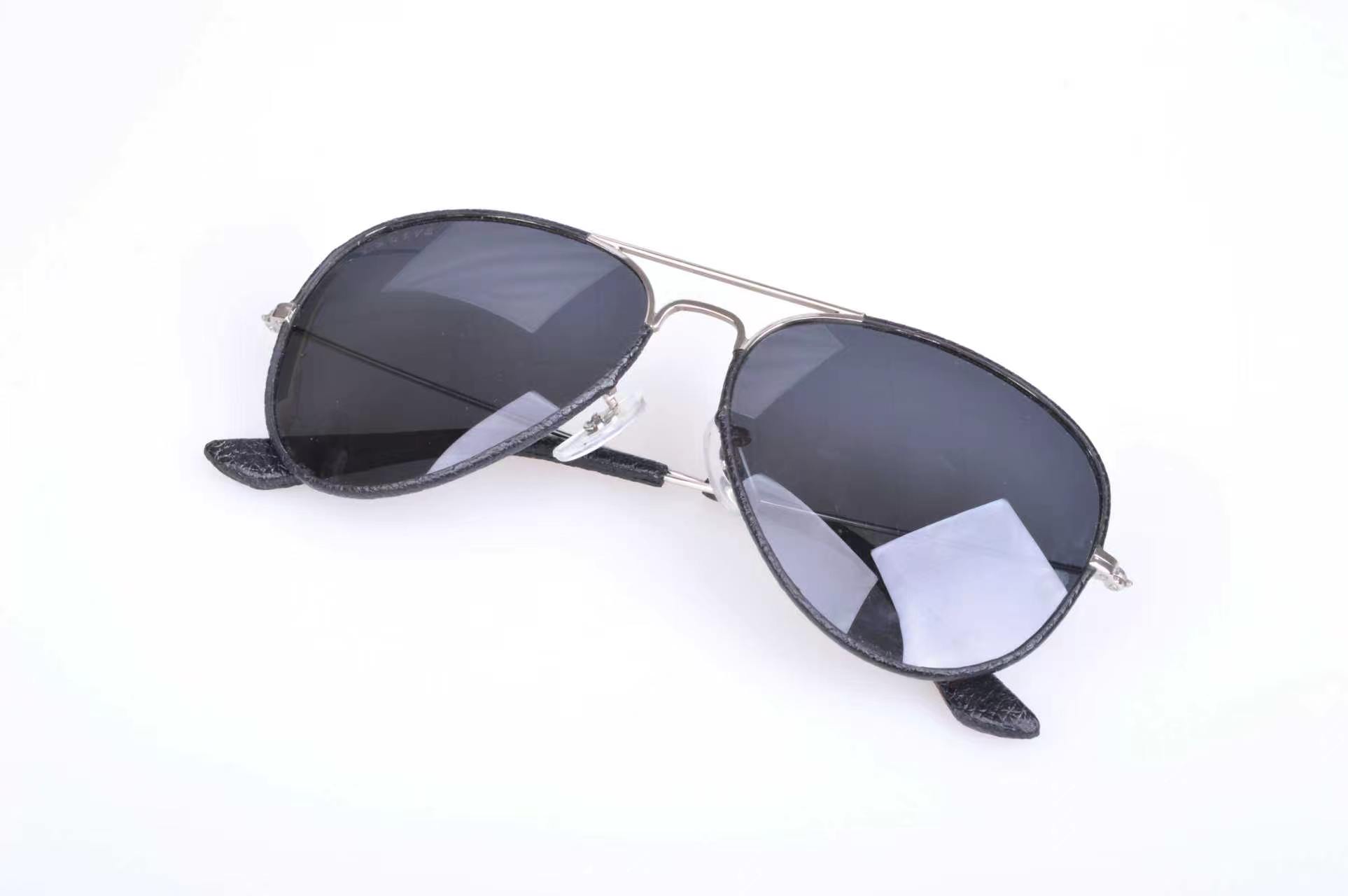
Combine a metal structure with a narrow covered edge around the lens rim and bridge areas.
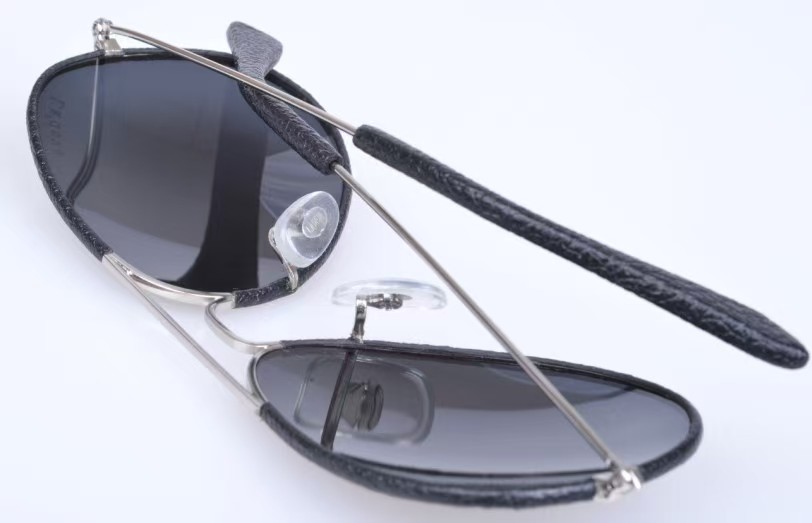
Review how the covering meets the temple wire, nose bridge and hardware.
BUYER QUESTIONS
Questions about leather-wrapped eyewear.
Need an answer for a specific design?
Ask our team ↗
Can leather wrapping be used on both acetate and metal frames?
Yes, both acetate and metal frame directions can be reviewed. The practical attachment, edge and hinge details depend on the selected base frame and covering material.
Can I use different leather textures or colors?
Yes. Share the texture, grain, color or reference material you prefer. Thickness, backing, finish, availability and suitability are confirmed for the design.
Can only part of the temple be wrapped?
Yes. A partial temple application or full-temple coverage can be discussed. Mark the intended start and stop points on a drawing or reference image.
Can the front and temples use different materials?
A mixed-material direction can be reviewed when the transitions, thickness and assembly are practical for the frame. Send the intended combination and coverage map.
What should I send for a leather-wrapping inquiry?
Send the frame reference or drawing, base material, covering material or texture, placement, partial or full coverage, expected quantity, target market and desired timing.
RELATED INFORMATION
Connect covering details with the frame brief.
PROJECT REVIEW